

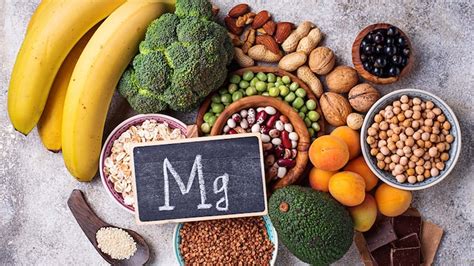
Magnesium: The Metabolic Mineral Most People Are Missing
When people think about managing blood sugar or boosting energy, they often focus on carbs, exercise, or calories. But there’s a quiet powerhouse working behind the scenes that plays a crucial role in all of it: magnesium.
This often-overlooked mineral is involved in over 300 enzymatic reactions in the body – including many that regulate blood sugar, insulin sensitivity, energy production, muscle function and nervous system balance. And yet, magnesium deficiency is incredibly common, especially in those struggling with fatigue, metabolic issues or stress.
What Magnesium does for Metabolic Health
Magnesium plays several key roles in keeping your blood sugar and metabolism functioning smoothly:
- Improves insulin sensitivity – allowing your cells to respond more effectively to insulin
- Supports glucose transport – helping sugar move out of the bloodstream and into cells
- Reduces inflammation – a key driver of insulin resistance and metabolic dysfunction
- Supports energy production (ATP) – your cells literally can’t make energy without magnesium
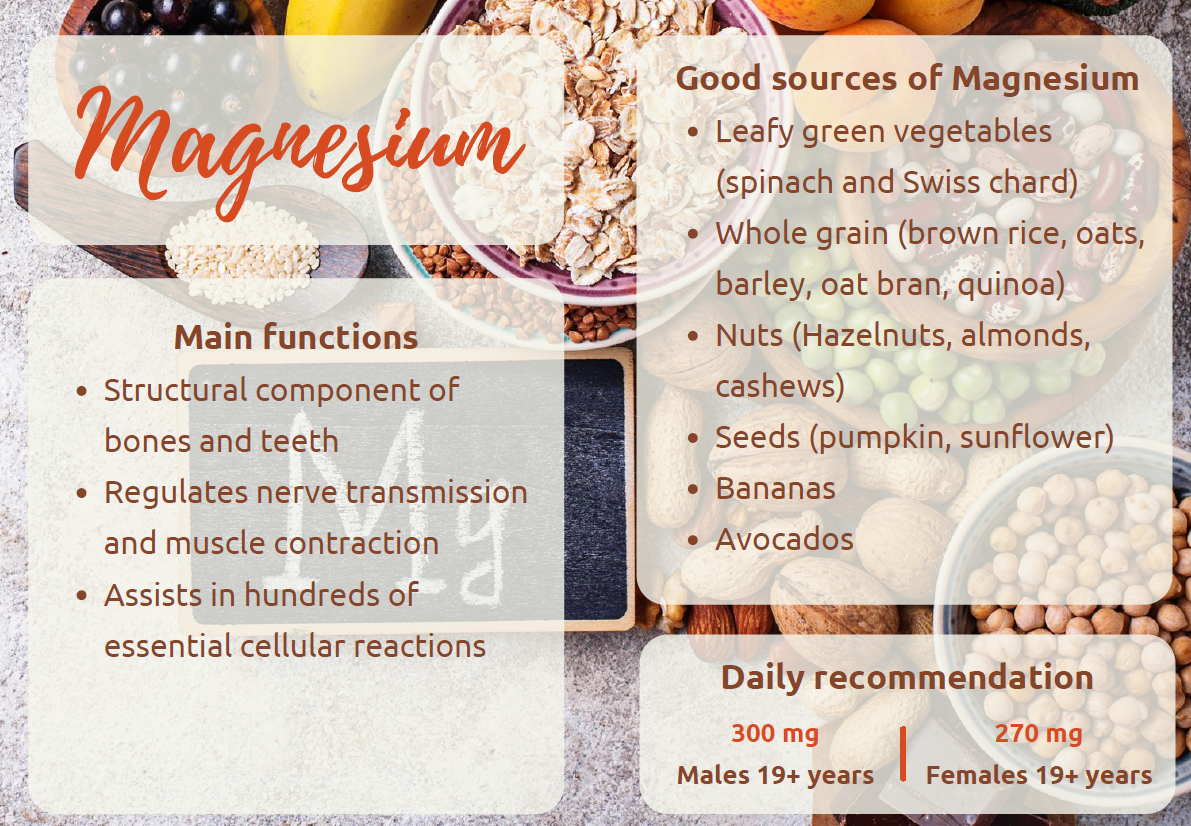
- Regulates muscle and nerve function – helping prevent cramps, twitches and fatigue
It’s no surprise that low magnesium levels are consistently linked to insulin resistance, Type 2 diabetes and metabolic syndrome in research studies.
Are you getting enough?
Modern diets – especially those high in processed foods and low in leafy greens, nuts and seeds – are often deficient in magnesium. Add chronic stress (which depletes magnesium), medications like PPIs or diuretics, and digestive issues, and you’ve got the perfect storm.
Common signs of magnesium deficiency:
- Muscle cramps or twitching
- Energy crashes or constant fatigue
- Sugar cravings (especially chocolate!)
- Poor sleep or restless legs
- PMS, irritability or anxiety
- Constipation or sluggish digestion
Magnesium-rich Foods to include daily
You can start boosting your intake today by including:
🎃 Pumpkin seeds (magnesium superstars!)
🥜 Almonds, cashews, Brazil nuts
🥬 Dark leafy greens (spinach, Swiss chard, kale)
🫘 Black beans, chickpeas, lentils
🥑 Avocado
🍫 Dark chocolate (aim for 85%+ cacao)
🐟 Mackerel, halibut and other fatty fish.
👉 Tip: Soak nuts, seeds and legumes overnight to improve mineral absorption.
Should you supplement?
In some cases, food isn’t enough – especially if you have increased needs or are already deficient.
The type of magnesium you take matters:
- Magnesium glycinate – great for calming the nervous system, improving sleep, and reducing anxiety
- Magnesium citrate – supports digestion and regularity
- Magnesium malate – helpful for energy production and muscle function
- Magnesium taurate – heart- and blood sugar-friendly
How much? Most people benefit from 200–400 mg per day – but it’s always best to test and personalise. Too much magnesium (especially citrate) can cause loose stools, so start low and build gradually.
Final thought: Don’t overlook the Basics!
Magnesium may not be as trendy as the latest diet hack, but in clinical practice, I see time and time again how powerful it can be – especially for women in midlife dealing with stubborn fatigue, blood sugar swings or hormonal imbalances.
It’s a small mineral that makes a big difference.
📅 Want support getting your metabolism and energy back on track? I offer personalised nutrition and lifestyle programmes to help you feel strong, clear and in control again.